What Is a Microdiscectomy of the Spine?
A microdiscectomy is a minimally invasive surgical procedure used to relieve pressure on a spinal nerve caused by a herniated disc. It is one of the most common and effective treatments for patients experiencing persistent leg or arm pain (radiculopathy) that has not improved with conservative care.
By removing the portion of the disc that is pressing on a nerve, a microdiscectomy can significantly reduce pain and restore function—often with a faster recovery time than traditional open spine surgery.
Understanding a Herniated Disc
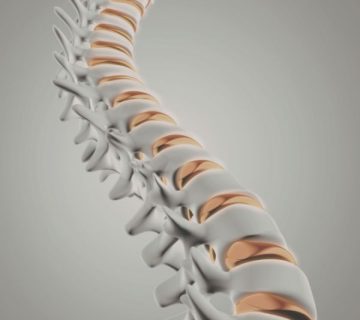
Between each vertebra in the spine are soft, cushion-like discs that act as shock absorbers. When one of these discs becomes damaged, its inner material can bulge or rupture outward. This is known as a herniated disc.
When the herniated portion presses against a nearby nerve, it can cause symptoms such as:
- Sharp or radiating pain in the arms or legs
- Numbness or tingling
- Muscle weakness
- Difficulty with movement or daily activities
What Makes a Microdiscectomy “Minimally Invasive”?
Unlike traditional open surgery, a microdiscectomy uses smaller incisions and specialized instruments, often with the assistance of a surgical microscope or magnification tools.
Key features of the procedure include:
- A small incision, typically 1–1.5 inches
- Minimal disruption to surrounding muscles and tissues
- Use of advanced imaging and precision tools
- Reduced blood loss and scarring
This approach allows for a more targeted treatment with less trauma to the body.
When Is a Microdiscectomy Recommended?
Most patients with a herniated disc improve with non-surgical treatments such as physical therapy, medications, or injections. However, surgery may be recommended if:
- Pain persists for several weeks or months despite conservative care
- Symptoms are severe and interfere with daily life
- There is progressive weakness or nerve damage
- There is loss of bowel or bladder control (a medical emergency)
A spine specialist will evaluate imaging studies and symptoms to determine if a microdiscectomy is appropriate.
The Microdiscectomy Procedure: Step by Step

1. Anesthesia and Positioning
The procedure is performed under general anesthesia. The patient is positioned to allow the surgeon optimal access to the affected area of the spine.
2. Small Incision
A small incision is made over the affected vertebra. Muscles are gently moved aside rather than cut.
3. Visualization
Using a microscope or magnification tools, the surgeon carefully identifies the compressed nerve and herniated disc material.
4. Removal of Disc Material
The portion of the disc pressing on the nerve is removed, relieving the pressure and allowing the nerve to heal.
5. Closing the Incision
The incision is closed with sutures, and the patient is moved to recovery.
Recovery and Rehabilitation
Recovery after a microdiscectomy is typically faster than with more extensive spinal procedures.
Patients can expect:
- Same-day or next-day discharge in many cases
- Pain relief often noticeable soon after surgery
- Light activity within a few days
- Return to work within 2–6 weeks, depending on the job
- Physical therapy to strengthen the spine and prevent recurrence
Following post-operative instructions is essential to ensure proper healing and long-term success.
Benefits of Microdiscectomy
Microdiscectomy offers several advantages for eligible patients:
- Effective relief from nerve-related pain
- Smaller incision and less tissue damage
- Faster recovery time
- High success rates
- Reduced hospital stay
Are There Risks?
As with any surgery, there are potential risks, although complications are relatively uncommon. These may include:
- Infection
- Bleeding
- Nerve injury
- Recurrence of disc herniation
Discussing these risks with your surgeon can help you make an informed decision.