
Kyphoplasty for Spinal Compression Fracture: A Minimally Invasive Procedure for Lasting Relief
If you are suffering from a spinal compression fracture, you know how debilitating a single fracture in the spine can be. Severe back pain, limited mobility, and posture changes can significantly affect your quality of life. Fortunately, kyphoplasty and vertebroplasty offer advanced solutions. Kyphoplasty is a minimally invasive procedure designed to stabilize a compression fracture, reduce pain, and restore spinal alignment.
In this comprehensive guide from Dr. Bailey Zampella Neurosurgery, you’ll learn how kyphoplasty works, how it compares to vertebroplasty, who may be a candidate for kyphoplasty, potential kyphoplasty risks, and the success rate of kyphoplasty. If you’re exploring treatment options for a spinal compression fracture, this article will help you make an informed decision.
1. What Is Kyphoplasty and How Does It Treat a Compression Fracture?
Kyphoplasty is a minimally invasive procedure used to treat painful compression fractures in the spine. These fractures often occur when a vertebra collapses due to weakness or trauma. Kyphoplasty is a minimally invasive treatment designed to stabilize the fracture and reduce movement within the affected vertebra.
During balloon kyphoplasty, a small balloon is inserted into the fractured vertebra. The balloon is gently inflated to restore the height of the damaged spine bone and create a cavity. Once the balloon is removed, bone cement is placed into the space. This cement hardens quickly, stabilizing the fracture and often providing immediate pain relief.
The kyphoplasty procedure helps prevent further collapse of the vertebra while addressing severe and disabling pain caused by vertebral compression fractures.
2. What Causes a Spinal Compression Fracture?
A spinal compression fracture most commonly occurs due to osteoporosis, a condition that weakens bones and increases fracture risk. When bone density decreases, even minor stress can cause fractures in your spine.
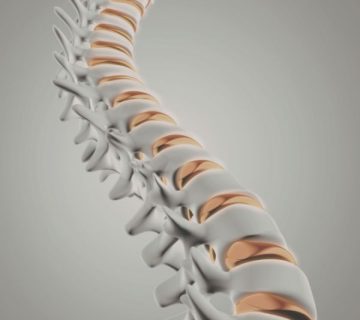
In other cases, trauma or cancer can weaken a spinal bone and lead to a spinal fracture. Compression fractures in the spine may cause pain because the vertebral body collapses, placing pressure on surrounding structures. In severe cases, spinal compression may affect posture and overall spinal alignment.
When left untreated, these fractures can cause pain that limits daily activity and mobility.
3. How Does Kyphoplasty Compare to Vertebroplasty?
Both vertebroplasty and kyphoplasty are used to treat vertebral compression fractures, but there are important differences. In vertebroplasty, a needle is inserted into the vertebra and cement is injected directly into the fractured area without expanding the bone first.
Kyphoplasty adds an extra step. A balloon is inserted and inflated before cement placement, allowing the surgeon to restore the height of the vertebra. This distinction makes kyphoplasty and vertebroplasty similar yet unique approaches.
When comparing vertebroplasty and kyphoplasty, patients with spinal compression fracture and significant vertebral collapse may benefit more from the balloon technique.
4. What Happens During the Kyphoplasty Procedure?
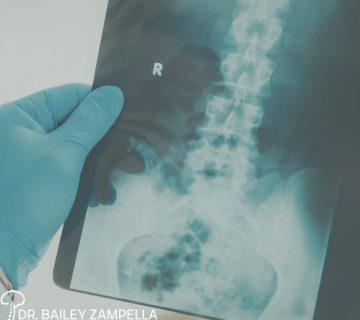
The kyphoplasty procedure begins with careful preparation and imaging guidance. Using x-ray technology, the surgeon identifies the exact location of the fracture in the spine.
After anesthesia is administered — either local anesthesia or general anesthesia depending on the case — a small incision is made. A specialized needle is inserted into the vertebral body under x-ray guidance. The balloon is then carefully inflated to restore the height of the collapsed vertebra.
Once the balloon is removed, special cement is prepared and injected into the cavity. This bone cement stabilizes the fracture and strengthens the spinal structure.
5. Is Kyphoplasty an Outpatient Procedure?
In many cases, kyphoplasty is performed as an outpatient procedure. Because it is minimally invasive, most patients go home the same day.
Unlike traditional spine surgery, this minimally invasive procedure involves small incisions and minimal disruption to surrounding tissue. Patients often report less pain and reduced need for pain medicine shortly after treatment.
However, each spinal fracture is unique, and some patients may require observation depending on overall health and fracture severity.
6. Who Is a Candidate for Kyphoplasty?
A candidate for kyphoplasty typically has painful compression fractures that do not improve with conservative care. Patients who continue to feel pain after rest, bracing, or medication may benefit.
Individuals experiencing severe back pain caused by osteoporosis-related fractures are frequently evaluated. If vertebral compression is confirmed through imaging, kyphoplasty may be recommended to stabilize the fracture and prevent further damage.
A detailed consultation helps determine whether kyphoplasty is appropriate for your specific condition.
7. What Are the Kyphoplasty Risks?
Like any medical treatment, there are kyphoplasty risks to consider. Though rare, complications can include infection, bleeding, or cement leakage outside the vertebra.
In very uncommon cases, cement leakage could irritate the spinal cord or nerves. Careful x-ray guidance and surgical precision significantly reduce these risks.
Discussing kyphoplasty risks with your neurosurgeon ensures you understand both the benefits and potential complications before proceeding.
8. What Is the Success Rate of Kyphoplasty?
The success rate of kyphoplasty is generally high for reducing pain and stabilizing vertebral fractures. Many patients experience immediate pain relief following the procedure.
By preventing further vertebral compression and reinforcing the spinal structure, kyphoplasty can dramatically improve mobility and quality of life. While it does not cure osteoporosis, it effectively addresses painful compression fractures.
9. How Long Is Recovery After Kyphoplasty?
Recovery after kyphoplasty is typically faster than traditional spine surgery. Most patients walk within hours of the procedure.
Although mild soreness may occur at the incision site, many individuals notice improvement in severe back pain within days. Avoiding strenuous activity initially helps protect the treated vertebra while healing continues.
Your surgeon may recommend follow-up imaging to confirm cement placement and spinal stability.
10. When Is Spine Surgery Necessary for a Spinal Fracture?
Not every fracture requires surgery, but persistent severe and disabling pain may signal the need for intervention. If fractures in your spine lead to progressive deformity or ongoing symptoms, treatment is essential.
Kyphoplasty is a minimally invasive alternative to open spine surgery and is often used to treat vertebral compression that fails to improve with conservative therapy.
Prompt treatment helps prevent worsening spinal compression and protects overall spinal health.
Key Takeaways
- Kyphoplasty stabilizes a fracture in the spine using cement.
- A compression fracture often results from osteoporosis or trauma.
- Balloon expansion can restore the height of the affected vertebra.
- The procedure is minimally invasive and often outpatient.
- Vertebroplasty is similar but does not use a balloon.
- Risks are rare but may include cement leakage or nerve irritation.
- Many patients experience significant and immediate pain relief.
- Early treatment of compression fractures in the spine can prevent long-term complications.
If you are experiencing severe back pain from a spinal compression fracture, Dr. Bailey Zampella Neurosurgery offers advanced evaluation and treatment options, including kyphoplasty, to help restore comfort and mobility.