Herniated Disc vs. Spinal Stenosis: How a Spine Specialist Tells the Difference
Back pain is one of the most common reasons patients seek spine care — but not all back pain comes from the same source. Two of the most frequently diagnosed spinal conditions are a herniated disc and spinal stenosis. While they can cause similar symptoms, they are different conditions that require different treatment approaches. Here is what you need to know about the key differences.
What Is a Herniated Disc?
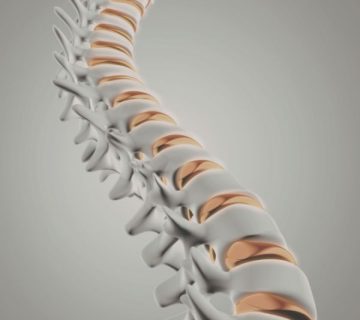
A herniated disc occurs when part of the disc — the soft, cushion-like structure sitting between each vertebra — pushes through its outer layer and presses on nearby nerves. Also referred to as a slipped or ruptured disc, a herniated disc often develops from a spinal injury, repetitive strain, or as spinal discs become less flexible with age. Disc herniation can cause sharp, radiating pain, numbness, or weakness depending on which nerve is affected.
What Is Spinal Stenosis?
Spinal stenosis is a condition in which the spinal canal narrows, putting pressure on the spinal cord and nerve roots. Spinal stenosis is the narrowing of space within the spine and most commonly occurs in the lower back — known as lumbar spinal stenosis — or in the neck. Acquired spinal stenosis typically develops gradually as a result of aging, arthritis, or degenerative disc disease, which can cause bone spurs or thickened ligaments to narrow the spinal canal over time.
Herniated Disc vs. Spinal Stenosis: Key Differences
While spinal stenosis and a herniated disc can both compress spinal nerves and cause back pain, there are important distinctions:
- A herniated disc is a disc problem — a specific disc pushes out and irritates a nearby nerve
- Spinal stenosis involves the narrowing of the spinal canal itself, putting pressure on the spinal cord and surrounding nerves more broadly
- Herniated disc symptoms often come on more suddenly, while stenosis symptoms tend to develop gradually
- Spinal stenosis usually causes symptoms that worsen with walking or standing and improve with sitting or bending forward
- Both conditions can cause similar symptoms, making imaging essential for an accurate diagnosis
How Are These Conditions Diagnosed?
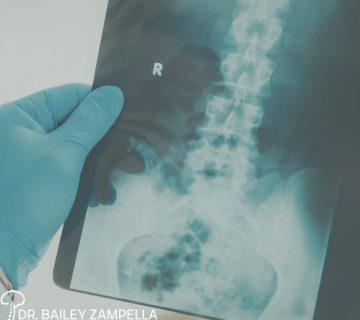
Because herniated discs and spinal stenosis cause similar symptoms, accurate diagnosis requires more than a physical exam. A spine specialist will typically order an MRI to identify whether a disc presses on a nerve, whether canal stenosis is present, or whether spinal stenosis and a herniated disc exist simultaneously, which is not uncommon.
Treatment Options for Herniated Disc and Spinal Stenosis
Treatment options depend on symptom severity and how long symptoms persist. Conservative care is typically the first step and may include physical therapy, medication, and activity modification. When symptoms do not improve, spinal surgery may be recommended — such as a minimally invasive discectomy to treat herniated discs, or spinal decompression to treat spinal stenosis. In cases involving instability, spinal fusion may also be appropriate. Managing these spinal conditions requires a personalized treatment plan based on each patient’s imaging, symptoms, and overall spinal health.
Schedule a Consultation
If you are experiencing back pain or other spinal issues and are unsure whether spinal stenosis or a herniated disc may be behind your symptoms, contact Dr. Bailey Zampella Neurosurgery today. Visit drbaileyzampella.com to request a consultation.