What to Expect From a Laminectomy Procedure
If chronic back or neck pain is interfering with your daily life, your physician may recommend a laminectomy—a common spinal surgery designed to relieve pressure on the spinal cord or nerves. Understanding what the procedure involves can help ease anxiety and prepare you for a smoother recovery.
What Is a Laminectomy?
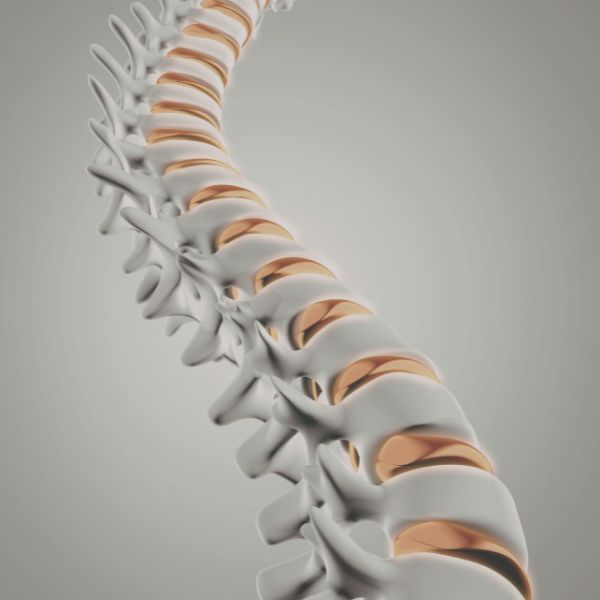
A laminectomy is a surgical procedure that removes part of the vertebra called the lamina—the bony arch that covers the spinal canal. By removing this structure, the surgeon creates more space, relieving pressure on the spinal cord or nerve roots.
This procedure is often recommended for conditions such as:
- Spinal stenosis (narrowing of the spinal canal)

- Herniated discs
- Bone spurs or arthritis-related changes
- Nerve compression causing pain, numbness, or weakness
Typically, surgery is only considered after conservative treatments like physical therapy, medications, or injections have not provided sufficient relief.
Before the Procedure
Preparation is an important part of a successful outcome. Your doctor may advise you to:
- Avoid eating or drinking for a period before surgery
- Adjust or stop certain medications
- Arrange for transportation and help at home after surgery
Pre-operative instructions may vary depending on your overall health and the complexity of your procedure.
During the Surgery
A laminectomy is typically performed under general anesthesia, so you’ll be asleep and feel no pain.
During the procedure:
- An incision is made over the affected area of the spine
- Muscles are gently moved aside to access the vertebra
- The lamina—and sometimes bone spurs or disc fragments—are removed
- The incision is closed with stitches or staples
The surgery usually takes 1 to 3 hours, depending on the extent of the procedure.
In some cases, additional procedures like spinal fusion may be performed to stabilize the spine.
After the Procedure
Following surgery, you’ll be monitored as the anesthesia wears off. Many patients:
- Go home the same day or within 1–2 days
- Begin walking shortly after surgery
- Receive pain management and wound care instructions
Your care team may also recommend physical therapy to help restore mobility and strength.
Recovery and Results
Recovery varies depending on the individual and the complexity of the surgery. Most patients can expect:
- Gradual return to normal activities over several weeks
- Restrictions on heavy lifting and strenuous movement
- Noticeable improvement in nerve-related symptoms like leg pain or numbness
Many people experience significant symptom relief after surgery, particularly when the procedure successfully reduces nerve compression.
Potential Risks
While generally safe, a laminectomy like any surgery carries some risks, including:
- Infection
- Bleeding
- Blood clots
- Nerve injury
- Spinal fluid leak
Your surgeon will discuss these risks and how they are minimized in your specific case.