Kyphoplasty Recovery: What to Expect at Home, Recovery Time, and the Healing Process After a Compression Fracture
If you’ve recently undergone kyphoplasty for a compression fracture, you’re likely wondering what the kyphoplasty recovery process looks like, how long recovery time lasts, and what to expect at home. The good news is that kyphoplasty is a minimally invasive procedure designed to stabilize the spine and help patients get back to their regular routines quickly.
In this comprehensive guide from Dr. Bailey Zampella, we’ll walk you through kyphoplasty recovery time, what happens in the recovery room, when you can resume normal activities, and how to care for your spine after treatment. Understanding the recovery process helps you feel confident, prepared, and supported every step of the way.
1. Understanding Kyphoplasty: What Was Done to Your Spine?
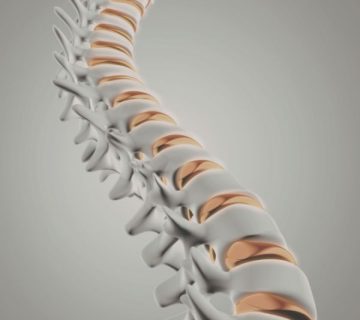
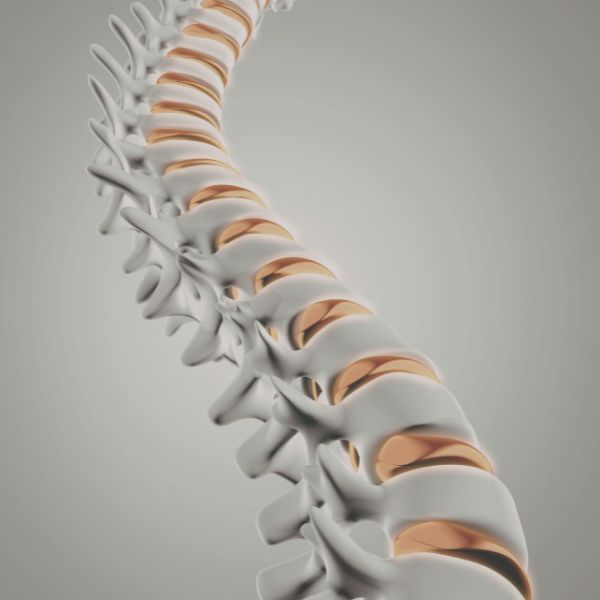
Understanding kyphoplasty is the first step in feeling confident about recovery. Kyphoplasty is a procedure used to treat compression fractures in your spine, often caused by osteoporosis or spinal compression. When a vertebra collapses due to a spinal compression fracture, it can lead to severe back pain and limited mobility.
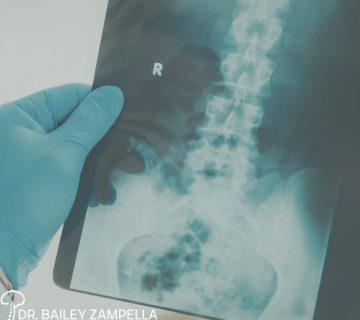
During the kyphoplasty procedure, your surgeon made a small incision and inserted a balloon into the damaged vertebra. Using fluoroscopy and x-ray guidance, the balloon was carefully positioned and inflated to restore height. Once the balloon was removed, bone cement was placed into the space to stabilize the vertebra and support your spine.
Because kyphoplasty is a minimally invasive procedure, there is less tissue disruption compared to traditional surgery, which plays a major role in shorter healing time.
2. What Should You Expect After Kyphoplasty Surgery?
Many patients ask what to expect after kyphoplasty surgery. Immediately following kyphoplasty surgery, you’ll be monitored as the anesthesia wears off. Kyphoplasty is usually well tolerated, and most people experience pain relief right away.
It’s normal for your back to feel sore where the incision site and instruments went into your back. However, this discomfort is typically mild compared to the pain caused by the original compression fracture.
Your care team will review medicines you take, especially if you are on aspirin or some other blood thinner. You may be instructed to stop taking certain medications temporarily to prevent blood clots or bleeding complications.
3. What Happens in the Recovery Room?
After kyphoplasty, you’ll spend time in the recovery room so medical staff can monitor your vital signs and comfort level. The spine surgery team will assess your mobility and ensure you are stable before discharge.
Because kyphoplasty is an outpatient procedure, many patients are able to go home the same day. In fact, people are able to return home within hours after the procedure once they are alert and comfortable.
Your nurse will provide instructions and a care sheet gives clear guidelines about activity limits, wound care, and pain management before you leave.
4. Is Kyphoplasty an Outpatient Procedure?
Yes, kyphoplasty is an outpatient procedure in most cases. This means you can go home the same day rather than stay overnight in the hospital. The procedure itself typically takes less than an hour, depending on the number of compression fractures treated.
Because kyphoplasty is a minimally invasive technique, recovery is generally faster than traditional spine surgery. Small incisions reduce trauma to surrounding tissues and help you recover more comfortably.
Being outpatient also means you’ll need someone to drive you home and stay with you during the first 24 hours.
5. What Is the Typical Kyphoplasty Recovery Time?
Kyphoplasty recovery time varies depending on your overall spine health and whether multiple fractures were treated. For many patients, recovery time is relatively short compared to open procedures.
People are able to return to light activities within a day or two. Many are able to return to their daily activities within a week, although it’s important to take it easy initially.
Full recovery depends on bone health and the severity of the compression fracture. If osteoporosis contributed to the injury, your physician may recommend strategies to improve bone health and prevent future fractures.
6. What Should You Expect at Home During Kyphoplasty Recovery?
Knowing what to expect at home reduces anxiety and supports a smoother recovery process. During the first 24 hours, rest is important. Avoid heavy lifting and do not lift anything heavy that strains your spine.
Mild soreness at the incision site is normal. Over-the-counter medicine such as ibuprofen or Advil may be recommended for discomfort, but always follow your surgeon’s guidance about medicines you take and avoid taking any new medicines without approval.
Following kyphoplasty, it’s important to monitor for unusual symptoms such as increased swelling, fever, or severe pain. Contact your provider if you notice anything concerning.
7. Tips for Kyphoplasty: How to Support Your Spine
Following practical tips for kyphoplasty recovery can help you recover safely. Gentle walking promotes blood flow to your spine and may help prevent blood clots. Light physical activity improves circulation without stressing the treated vertebra.
Avoid heavy lifting, twisting, or strenuous movement for several weeks. Proper posture and ergonomic seating help support your spine during healing time.
Your doctor may also discuss strategies to treat compression fractures in the future, including nutrition and medications to strengthen bone density.
8. When Can Kyphoplasty Patients Return to Normal Activities?
Many kyphoplasty patients are pleasantly surprised by how quickly they improve. Most people are able to return to normal activities within days, although you should gradually increase activity levels.
You may feel pain or stiffness early on, but this usually improves quickly. Activities within a day may include light walking and basic self-care tasks.
Before you get back to your regular exercise routine or physically demanding work, confirm with your surgeon that your spine has stabilized.
9. Do You Need Physical Therapy After Kyphoplasty?
Not all patients require physical therapy, but it may help strengthen muscles and improve posture after spinal compression injuries. Therapy can enhance spine health and prevent further injury.
A structured rehabilitation plan may focus on core strengthening, flexibility, and balance. Physical therapy can help you recover confidence in movement and reduce the risk of additional compression fractures in your spine.
Your doctor will determine whether therapy is appropriate based on your specific recovery needs.
10. How Your Spine Surgery Team Supports Follow-Up Care
Your spine surgery team plays a critical role in follow-up care. After kyphoplasty, you’ll attend scheduled visits to assess healing and confirm that the cement remains properly positioned.
Follow-up care may include imaging to evaluate the treated vertebra and ensure stability. Your surgeon will also discuss long-term strategies to support your spine and prevent future injuries.
If you ever feel pain that concerns you, prompt communication with your provider ensures quick evaluation and peace of mind.
Key Points to Remember About Kyphoplasty Recovery
- Kyphoplasty is a minimally invasive treatment for compression fracture.
- Most patients go home the same day after this outpatient procedure.
- Mild soreness at the incision site is normal.
- Many experience significant pain relief soon after treatment.
- Avoid heavy lifting during the early recovery time.
- Walking and gentle movement help you recover safely.
- Follow medication guidance carefully, especially if you take aspirin or blood thinner medications.
- Most patients return to their daily activities quickly.
- Maintaining bone health is essential to prevent future fractures.
- Stay in close contact with your spine surgery team throughout recovery.
If you have questions about kyphoplasty recovery time or what to expect at home, Dr. Bailey Zampella and his experienced care team are here to help you recover safely and confidently.